
The Proud Aster shares practical, down-to-earth guidance on uk gardening, plants and seasonal flower growing for readers across the UK.
- 0123456789
- Angle Bd Abdelmoumen & rue soumaya, Résidence
- [email protected]
The Proud Aster shares practical, down-to-earth guidance on uk gardening, plants and seasonal flower growing for readers across the UK.
 By Priya Nair
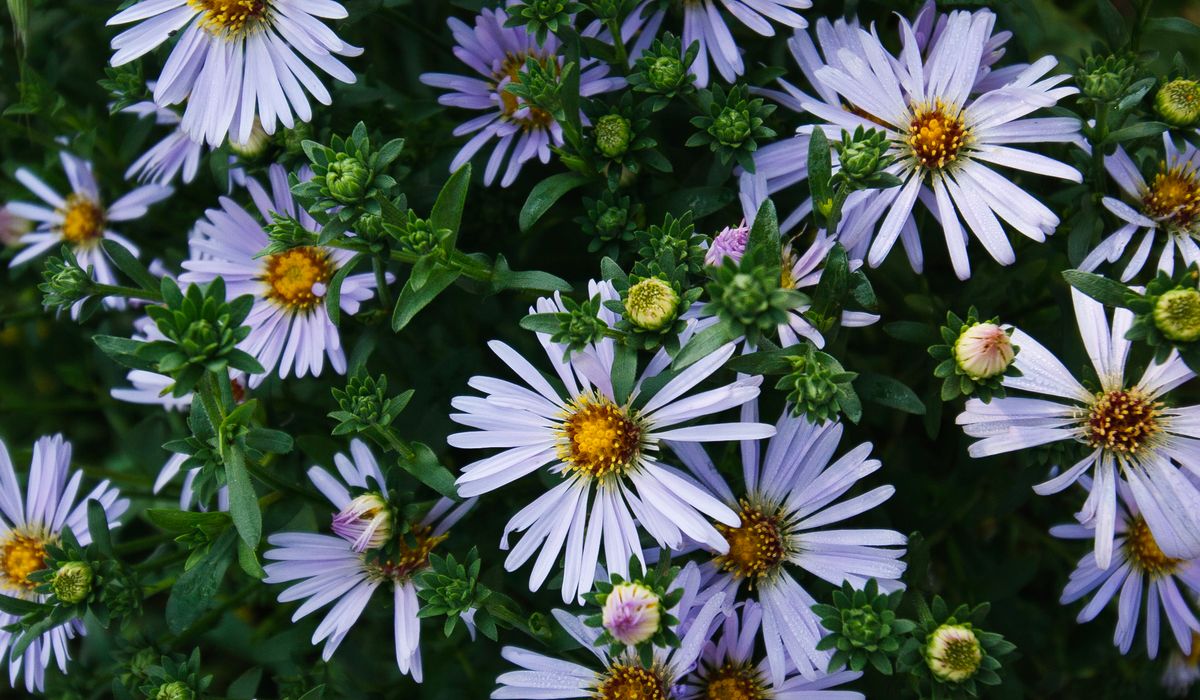
Hardy annuals complete their whole life cycle in a single season, and because they tolerate a touch of frost they can be sown early, planted out while the soil is still cool, and then left largely to their own devices. They are the cheapest colour in the garden: one packet of calendula or cornflower seed will fill a border, a cutting patch and a few pots besides. Their open, single flowers are also genuinely useful to pollinators, which can reach the nectar in a way they cannot in a tightly petalled rose.
Modules suit them particularly well because they give you control. Sowing direct is always an option, but it is a gamble — slugs, drying winds and the difficulty of telling seedlings from weeds all take their toll. Raising plants under cover gives you a head start, lets you discard weak seedlings, and means you are planting out sturdy little plants with an intact rootball that will romp away within days.
Most are straightforward, with a few worth treating differently.
There are two windows worth using. An autumn sowing in late August or early September produces small, stocky plants that overwinter in a cold frame and flower several weeks ahead of spring-sown ones. The more common approach is to sow indoors from early March to mid-April, aiming to plant out from late April onwards once the worst of the frost has passed.
If you want flowers over a long period rather than one glorious fortnight, sow small batches every two or three weeks from March into May. A few modules per sowing is plenty; succession matters far more than volume.
Use a fresh, peat-free seed compost and fill your tray or modules loosely, then firm it gently so the surface is level but still open. Water the compost before sowing — this avoids washing tiny seeds out afterwards. Sow thinly, spacing seeds out rather than tipping them in a heap, then cover with a fine layer of vermiculite or sieved compost.
Once the seedlings are up, light is the single most important thing. Move them somewhere cool, bright and airy — a greenhouse, cold frame or a windowsill that gets good daylight — or they will stretch into pale, floppy plants that never recover. Water carefully from below where possible, and give a weak liquid feed every ten days once the plants have two or three true leaves.
Hardening off is not optional. Over 7–10 days, stand the modules outside during the day somewhere sheltered and bring them in at night, extending the time outdoors each day and leaving them out overnight only at the end. A cold frame makes this easy: open it a little wider each day, then leave it open at night in the final few days.
Plant out on a dull, damp day if you can, or in the evening, and water the modules thoroughly beforehand. Space plants according to their eventual size — around 23–30cm apart for cornflower and calendula, closer for smaller subjects like candytuft. Water them in well and keep watering for the first fortnight while roots establish.
Slugs are the main threat to young plants; a night patrol with a torch is more effective than anything. Pinch out the growing tips of branching types such as annual chrysanthemum to encourage bushiness, and stake tall growers like larkspur before they need it. Deadhead regularly to keep flowers coming, and stop cutting about six weeks before the season ends if you want to save your own seed. Harvest in the cool of the morning, plunge stems straight into water, and you will have bucketfuls from a sowing that cost pence.


We are not gonna make spamming
