
The Proud Aster shares practical, down-to-earth guidance on uk gardening, plants and seasonal flower growing for readers across the UK.
- 0123456789
- Angle Bd Abdelmoumen & rue soumaya, Résidence
- [email protected]
The Proud Aster shares practical, down-to-earth guidance on uk gardening, plants and seasonal flower growing for readers across the UK.
 By James Hargreaves
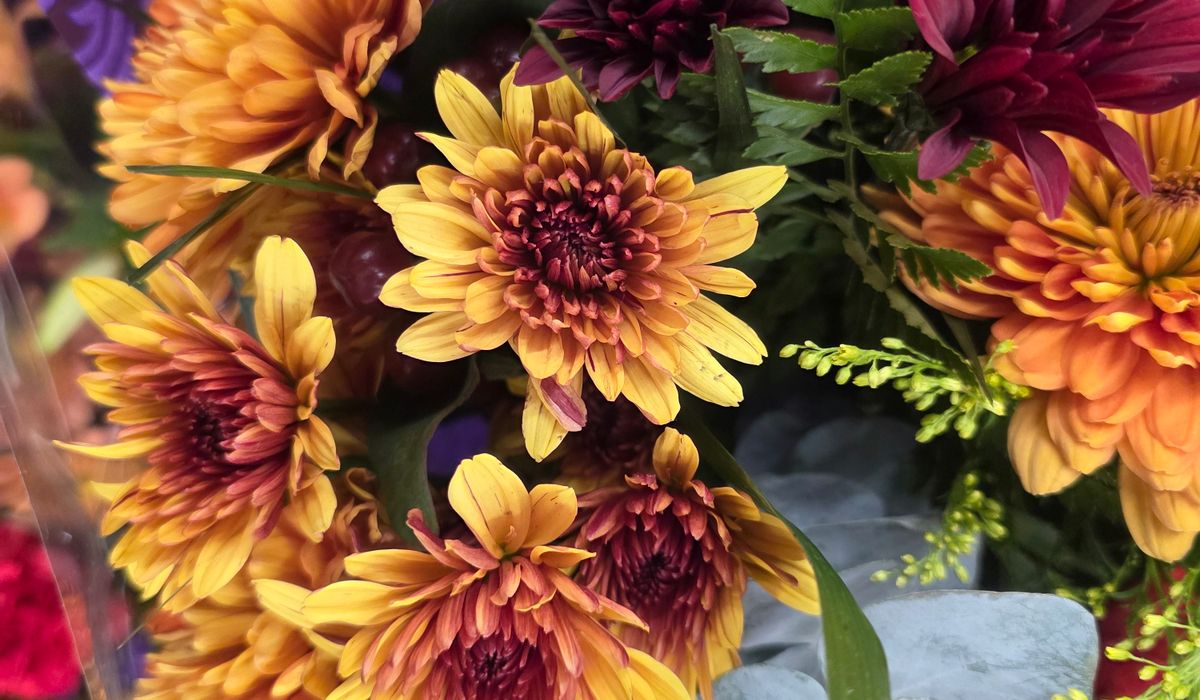
Drought-tolerant patio plants are a gift for the busy gardener. Lavender, rosemary, thyme, sedum and pelargoniums shrug off a dry spell far better than thirsty bedding. But their tolerance only goes so far. Put a sun-loving herb in the wrong container and you will spend the summer with a watering can in one hand and a crispy plant in the other. The pot is not just a pretty holder; it is the plant’s entire world. Get it right and your patio will look generous from May to October.
Roots need air as much as water. In a container, the balance between the two is controlled by the pot’s material, its size and its drainage. Terracotta is porous. Water and air move through the walls, so the compost dries out quickly. Glazed pots, plastic and metal containers are non-porous. They lose moisture only from the surface of the compost and through the drainage hole, so they hold on to water for much longer. Neither is better in every situation. The trick is to match the pot to the plant’s natural habitat and to your own watering routine.
Terracotta is the traditional choice for Mediterranean plants. Its warm, earthy colour suits lavender, rosemary, thyme and cistus. Because the walls breathe, the compost dries evenly and the risk of root rot is lower. That is a real advantage in a wet British winter, when glazed pots can become soggy traps. The downside is speed. On a hot July day, a small terracotta pot can lose its moisture by lunchtime. If you choose terracotta, be honest about your availability. Group pots together to shade each other, move them into partial shade during heatwaves, and consider standing them in a shallow tray of gravel that you can dampen to raise humidity. For a low-maintenance patio, choose larger terracotta pots rather than several small ones. A 35cm pot dries out far more slowly than a 20cm pot because it holds a greater volume of compost.
Glazed ceramic, plastic and fibreglass pots are sealed. They suit plants that enjoy a little more moisture, such as pelargoniums, verbena and osteospermum. They also help gardeners who are away from home during the day. However, the same quality that keeps compost damp can become a problem. Without evaporation through the walls, overwatering is easy. Always check the compost with your finger before reaching for the can. If it feels cool and sticky, wait. If it feels dry a few centimetres down, water thoroughly until it runs out of the drainage hole. A glazed pot in full sun will still dry out, especially if it is small and dark-coloured. In winter, move glazed pots under cover or raise them on feet to stop them sitting in a puddle.
Size is the most common mistake. A tiny pot restricts roots and dries out too fast. A pot that is far too large holds a great volume of wet compost that the roots cannot reach, which can lead to rot. As a rule, choose a pot that gives the root ball two to five centimetres of space on all sides. For drought-tolerant patio plants, here is a practical starting point:
If you are planting a mixed container, remember that all the plants must share the same watering needs. Do not put a moisture-loving fern next to a lavender. For a drought-tolerant display, stick to one theme.
Always use drainage crocks. This is the traditional practice of placing broken potsherds, stones or pieces of polystyrene over the drainage hole before adding compost. Crocks stop compost from washing out and keep the hole from becoming blocked by fine particles. They also create a small reservoir of air at the base of the pot. Without that air gap, the compost can become stagnant and sour. Use two or three good-sized crocks, arranged loosely. Do not fill the bottom third of the pot with stones; that simply reduces the amount of compost available to the roots. One layer is enough. If your pot has only one small hole, enlarge it if you can. A pot without a drainage hole is not a planter; it is a bucket. If you love a sealed container, use it as a cachepot and keep the plant in a smaller pot inside, emptying the cachepot after watering.
Drought-tolerant plants need a gritty, free-draining compost. Mix a good quality peat-free potting compost with 30 per cent horticultural grit or perlite. For Mediterranean herbs, add a handful of garden lime or use a soil-based compost such as John Innes No.2, which holds nutrients without staying soggy. Top the compost with a layer of gravel or slate chips. This mulch reduces evaporation and stops the compost splashing onto flowers during rain. Water deeply and less often rather than little and often. A thorough soak encourages roots to grow down. In the growing season, feed with a liquid seaweed or tomato feed every two to three weeks, but halve the strength for herbs you plan to eat. As the seasons turn, use your pots for a changing display. Spring: tulips and narcissi in terracotta. Summer: lavender and pelargoniums in glazed pots. Autumn: sedum, heuchera and ornamental grasses. Winter: empty pots raised on feet, or planted with ivy and skimmia. Clean pots each year with hot soapy water. Terracotta is frost-proof only if it is labelled as such; otherwise, empty it or move it under cover before the first hard frost. With the right pot, the right size and a clear drainage hole, your patio will thrive on less water than you think.


We are not gonna make spamming
